TPE or Silicone: Choosing the Right Material Is Mostly About Trade-offs
Silicone costs three times more and lasts longer. TPE feels softer and can be repaired. Neither is better — it depends on what you actually care about.
October 17, 2026 · 8 min read · 1103 words
Every product page on this site states the material plainly, because the difference between TPE and platinum-cured silicone is the single biggest factor in how a piece feels, how long it lasts, and what it costs. It is also the question we get asked most.
Here is the honest version: they are not competing grades of the same thing. They are two materials with different strengths, and picking between them means deciding which compromise you would rather live with.
The short version
| | TPE | Silicone | |---|---|---| | Feel | Softer, warmer, closer to skin | Firmer, cooler, more sculptural | | Realism of detail | Excellent | Exceptional — holds fine detail better | | Durability | 2–5 years typical | 8–15 years typical | | Maintenance | Weekly washing, regular powdering | Much lower | | Repairability | Can be heat-welded | Essentially not repairable | | Weight | Lighter for the same volume | Heavier | | Price | Baseline | Roughly 3× |
If you read one row, read the durability row. It drives most of the rest.
What TPE actually is
TPE is a thermoplastic elastomer — a blend of plastic and rubber that behaves like rubber at room temperature but can be melted and reformed with heat. In body molds it is typically medical-grade, meaning it passes skin-contact biocompatibility testing.
Its advantage is softness. A well-made TPE torso compresses and rebounds in a way that reads as convincing to the hand, and it warms to body temperature quickly. Detail reproduction is good, though very fine features soften slightly over time as the material relaxes.
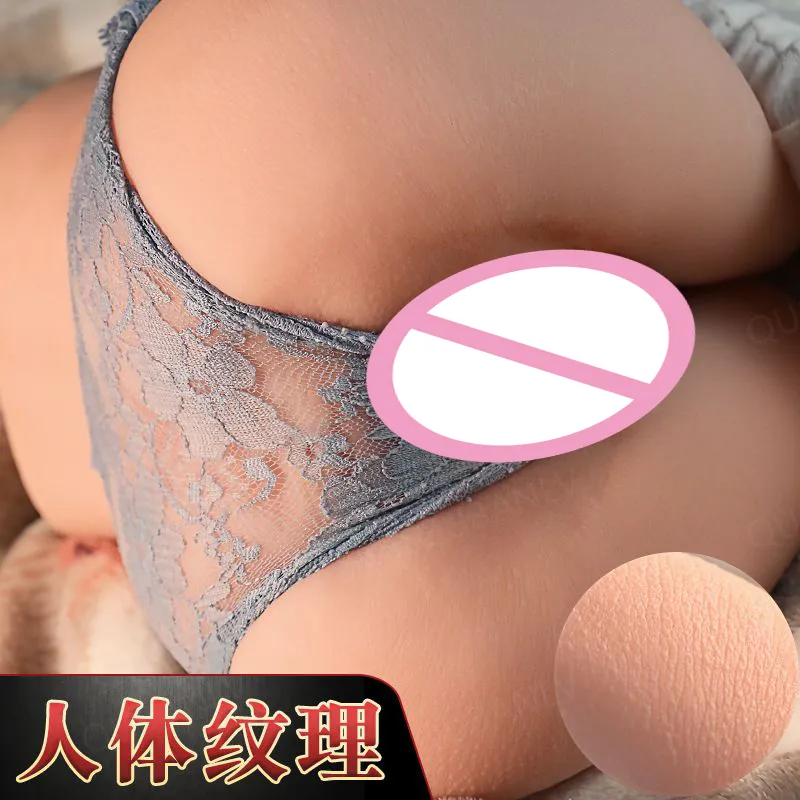
The catch is porosity. Under magnification, the surface of TPE has structure that holds microscopic amounts of moisture and oil. This is why TPE needs washing and why it attracts dust when it dries out. It is not a defect, it is the material, and it does shorten practical lifespan compared to silicone.
There is also plasticiser migration. The compounds that keep TPE soft slowly move toward the surface, which is what produces the tacky feel on an unpowdered piece. Powdering manages it. Ignoring it for six months does not permanently ruin the piece, but restoring the surface takes effort.
What platinum-cured silicone actually is
Platinum-cure describes the catalyst used to set the silicone. It produces a denser, more chemically stable elastomer than tin-cured alternatives, without the shrinkage and odour issues those have.
Silicone is non-porous. It does not hold water in its surface, does not need powdering, resists staining far better, and tolerates temperatures that would deform TPE — boiling water for sterilisation is safe for most silicone pieces. Acetone and mild solvents that would destroy TPE will not affect it.
The downsides are three. It is expensive. It is firmer, and no amount of formulation gets it as soft as TPE at the same wall thickness. And it cannot be repaired: a tear in silicone is permanent, whereas TPE can be melted back together with controlled heat.
So which one should you buy
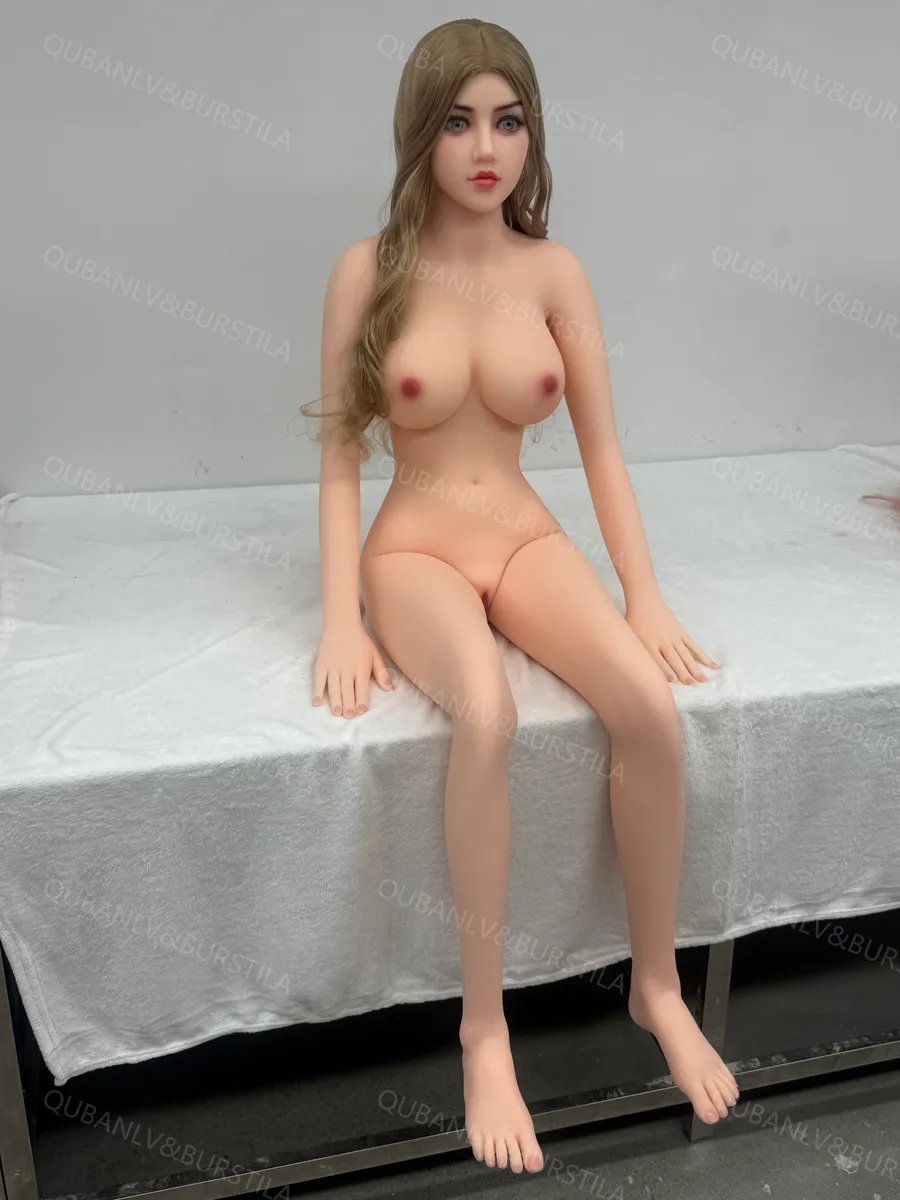
Choose TPE if you want maximum softness, you are buying your first piece and want to find out what you actually prefer before spending three times as much, or the piece is large and the weight difference matters — a 30kg silicone figure is genuinely difficult to move, and the TPE equivalent at 24kg is merely awkward.
Choose silicone if you want something that will still be in good condition in a decade, you do not want a maintenance routine, or hygiene certainty matters more than softness — being able to sterilise with heat rather than soap is worth a lot to some people.
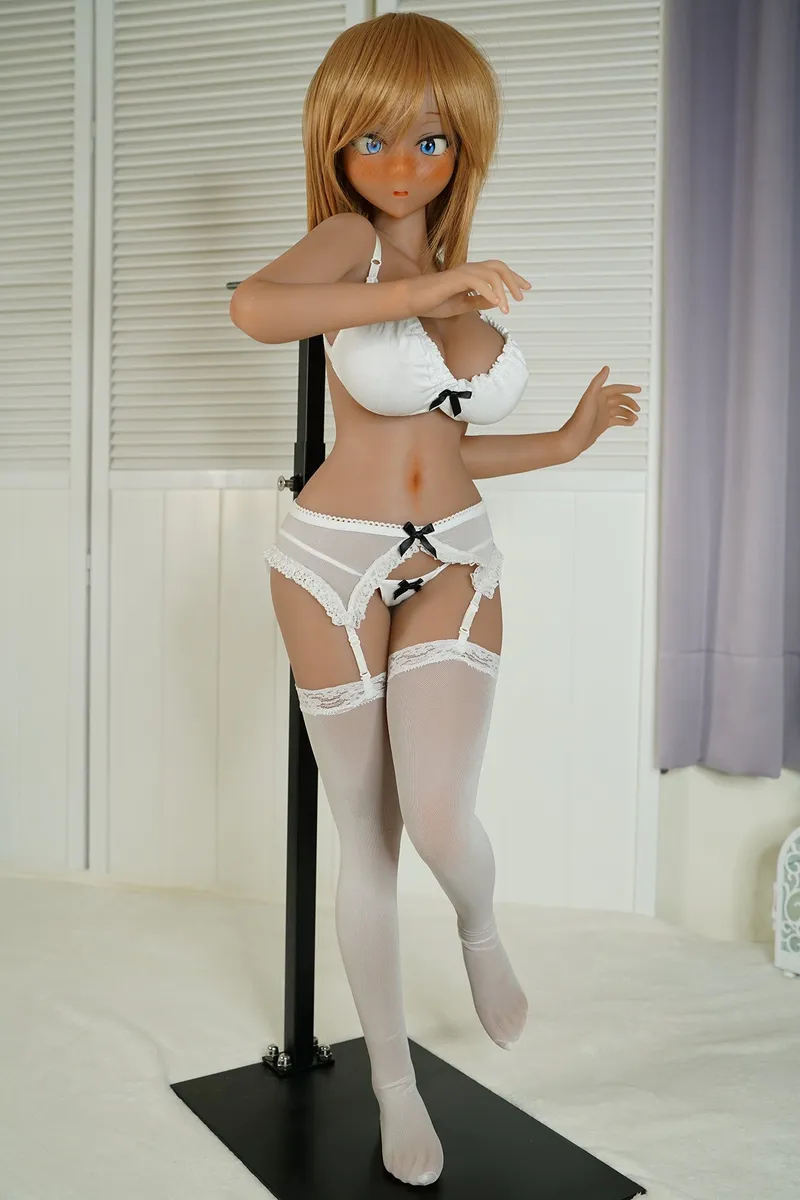
Choose TPE for a torso and silicone for a head. This is more common than you might expect. Heads carry the visual detail where silicone's advantage shows most clearly, while torsos are where softness and manageable weight matter more. Several of the pieces in the full body range are configured exactly this way, including the Rounded 85cm Doll and the Tapered Implanted Hair Silicone Head Doll.
The weight question nobody asks first
Weight deserves more attention than it gets, because it is the thing people regret most after delivery.
A torso in the 1–3kg range can be moved with one hand and stored in a drawer. Something in the 10–15kg range needs two hands and a plan. Full-scale figures run from 20kg past 40kg, and moving one of those alone is genuinely difficult — not impossible, but enough that you will use it less often if storage is awkward.
The practical rule: buy the heaviest piece you can comfortably move and store, not the largest one you can afford. A 25kg figure that stays upright and accessible gets used. The same figure at 40kg, requiring a ten-minute setup each time, tends to become very expensive decoration.
If you want to start small, the 1–3kg torsos — the TPE 1.5 kg Torso sits at 1.5kg — are the sensible first purchase regardless of which material you pick.
Care differences in practice
Worth knowing before you commit, because this is where the day-to-day experience diverges:
- TPE needs washing after use, full drying, and cornstarch every four to six weeks.
- Silicone needs washing, but tolerates hot water and dries without special care. It does not need powdering.
- TPE should be kept away from dark dyed fabrics long-term; silicone largely ignores this.
- A small tear in TPE can be repaired at home. A tear in silicone cannot.
Both should avoid prolonged direct sunlight and anything above roughly 60°C, though silicone tolerates far more than that before deforming.
What we would say if you asked in the shop
If it is your first piece: buy TPE, in a weight you can move easily, and budget twenty minutes a week for care. Find out what you actually value before buying the expensive thing.
If you already own a TPE piece and like it but resent the maintenance: buy silicone next time. That is the exact profile of someone for whom the price premium is worth it.
If you are deciding purely on longevity per dollar, the maths is genuinely close — three TPE pieces sequentially versus one silicone piece over the same period is closer to a wash than the sticker prices suggest, and you get softer material and variety along the way.
Full care instructions for TPE are in the cleaning guide. Storage — which matters for both materials and is where most avoidable damage happens — is covered in placing it somewhere it will last.
Referenced in this guide
Keep reading