How to Clean a TPE Body Mold Without Ruining It
Warm water, the right soap, and twenty minutes of patience. The step-by-step cleaning routine that keeps medical-grade TPE supple instead of tacky.
October 18, 2026 · 7 min read · 1122 words
Most TPE damage does not happen during use. It happens in the sink, in the towel, or in the cupboard afterwards — usually from someone doing something reasonable that happens to be wrong for this specific material.
Medical-grade TPE is a soft thermoplastic elastomer. It is porous at a microscopic scale, it holds water in its surface layer, and it reacts badly to three things: heat above about 60°C, petroleum-based oils, and being stored while damp. Get those three right and a torso will stay close to new for years. Get them wrong and you will see tackiness, tearing, or a surface that attracts dust no matter how often you wipe it.
This is the routine we recommend. It takes about twenty minutes, and most of that is drying.
What you actually need
You do not need a specialist kit, though one is available if you would rather not assemble it yourself. The short list:
- Mild unscented soap, or a purpose-made TPE cleaner
- Two or three soft microfibre cloths
- Cornstarch (baby powder works, but check it is cornstarch-based, not talc)
- A soft-bristle brush for textured areas
- Lukewarm water — nothing hotter than your hands comfortably tolerate
The one thing to leave out is anything oil-based. Baby oil, mineral oil, petroleum jelly, coconut oil, and most "conditioners" marketed for other materials will swell TPE and pull plasticiser out of it. The result is a surface that goes sticky and stays sticky. Silicone-based lubricants are safe on TPE. Oil-based ones are not, and neither is dish soap with a grease-fighting formula, which is aggressive enough to dry the material over repeated washes.
The wash itself
Start by wiping the surface down dry, before any water touches it. Lint and dust are much easier to remove from dry TPE than from a damp surface where they bind to it.
Then work in sections rather than trying to do the whole piece in one pass:
- Dampen a cloth in lukewarm water with a small amount of mild soap, and wring it out until it is barely wet. A dripping cloth puts more water into the material than you want.
- Wipe the surface with light pressure. Circular motions work better than scrubbing back and forth, which can stress seams.
- For textured or recessed areas, use the soft brush with the same soapy solution. Keep the pressure low — the goal is to move water through the texture, not to abrade it.
- Rinse with a second cloth dampened in clean water only. Repeat until no soap film remains; residue is what later attracts dust.
If the piece is large and awkward at the sink, a shallow tub works better. Do not submerge it for long periods, and never use a washing machine — the agitation will tear skin-thin sections and the spin cycle alone can permanently deform it.
The single most common mistake is drying too fast with too much heat. A hairdryer on a warm setting will leave a surface that feels fine for a week and then goes tacky.
Drying, which matters more than the wash
Pat dry with a clean cloth first. Then leave the piece exposed to air at room temperature for at least two hours — longer for anything over about 10kg, or anything with deep internal channels where water collects.
Position it on a breathable surface, not directly on a towel. A folded microfibre cloth or a drying rack works. Air needs to reach the underside, which is where moisture lingers longest.
For internal channels, there are two approaches that work. The first is to run a dry cloth through on a finger or soft rod and repeat until it comes out dry. The second is a purpose-made drying rod or a small fan pointing at the opening for an hour or two. What does not work is assuming it will dry on its own inside a closed cupboard. It will not, and TPE that stays damp grows mould in its surface layer — visible as small dark specks that cannot be washed out.
Confirm it is genuinely dry before it goes into storage. Run a clean finger over an inconspicuous area: if it feels even slightly cool or grabs at your skin, it is still holding water.
Powdering afterwards
Once fully dry, apply a light dusting of cornstarch. This restores the dry, slightly velvety finish that TPE loses after washing, and it is the step most people skip.
Use a soft brush or a powder puff, not your hands — fingertips apply too much in patches. Tap off the excess; the layer should be barely visible. Too much powder clumps in creases and looks worse than none.
Reapply roughly every four to six weeks, or after every wash. A piece that feels sticky can usually be brought back with a wash, a full dry, and a repowder — the tackiness is surface plasticiser migration, not permanent damage.
How often
That depends entirely on use, but a reasonable baseline is to do the full wash weekly for anything in regular use, and monthly at minimum for pieces stored long-term. Storage environment drives this too: a warm, humid room needs more frequent cleaning than a cool, dry one.
Between washes, a dry microfibre wipe is enough to keep dust off. Do not use antibacterial wipes — alcohol and quaternary compounds in them dry TPE quickly.
Things that will shorten its life
Worth stating plainly, because these account for most of the "my TPE went bad" reports:
- Heat. Anything above roughly 60°C, including hot water, radiators, heated car seats, and direct sunlight through a window.
- Oils. Petroleum jelly, mineral oil, baby oil, most food oils, and anything labelled as a conditioner.
- Dark, tight contact. TPE can transfer colour onto some fabrics and absorb it from others. Dark dyed clothing left in contact for weeks will stain.
- Compression. Storing it folded, crushed, or under weight will leave permanent creases.
- Solvents. Acetone, alcohol above about 70%, paint thinner, and most stain removers.
A note on silicone pieces
Platinum-cured silicone is a different material with different rules. It tolerates heat far better — boiling water is safe for most silicone pieces, which makes it the easier choice if sterilisation matters to you. It is also non-porous, so it does not hold water or odour the way TPE does.
The trade-offs are cost and feel. Silicone is firmer and considerably more expensive per kilogram, and it cannot be repaired with heat the way TPE can. If you are deciding between the two, the comparison in TPE or silicone: choosing the right material covers it in detail.
Referenced in this guide
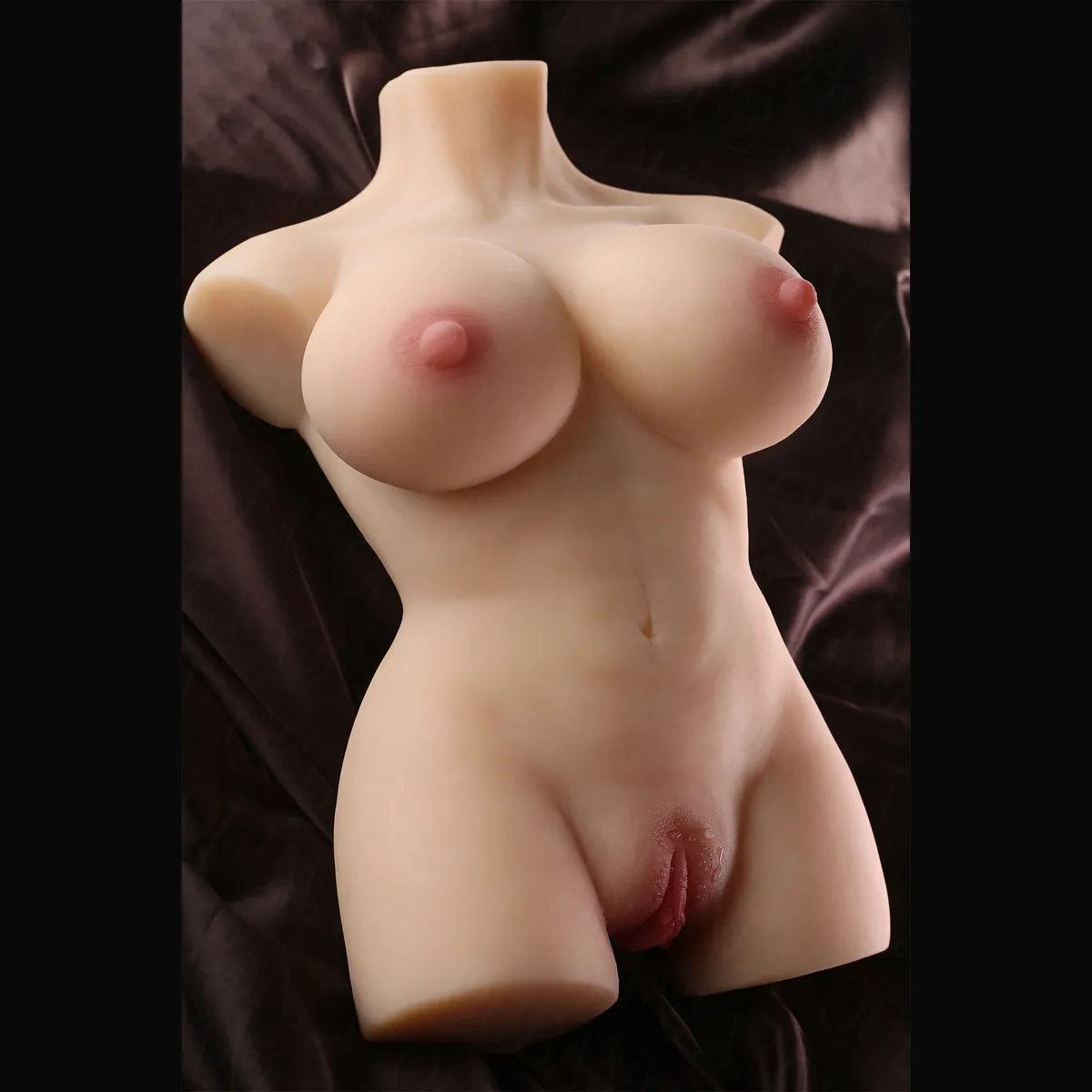
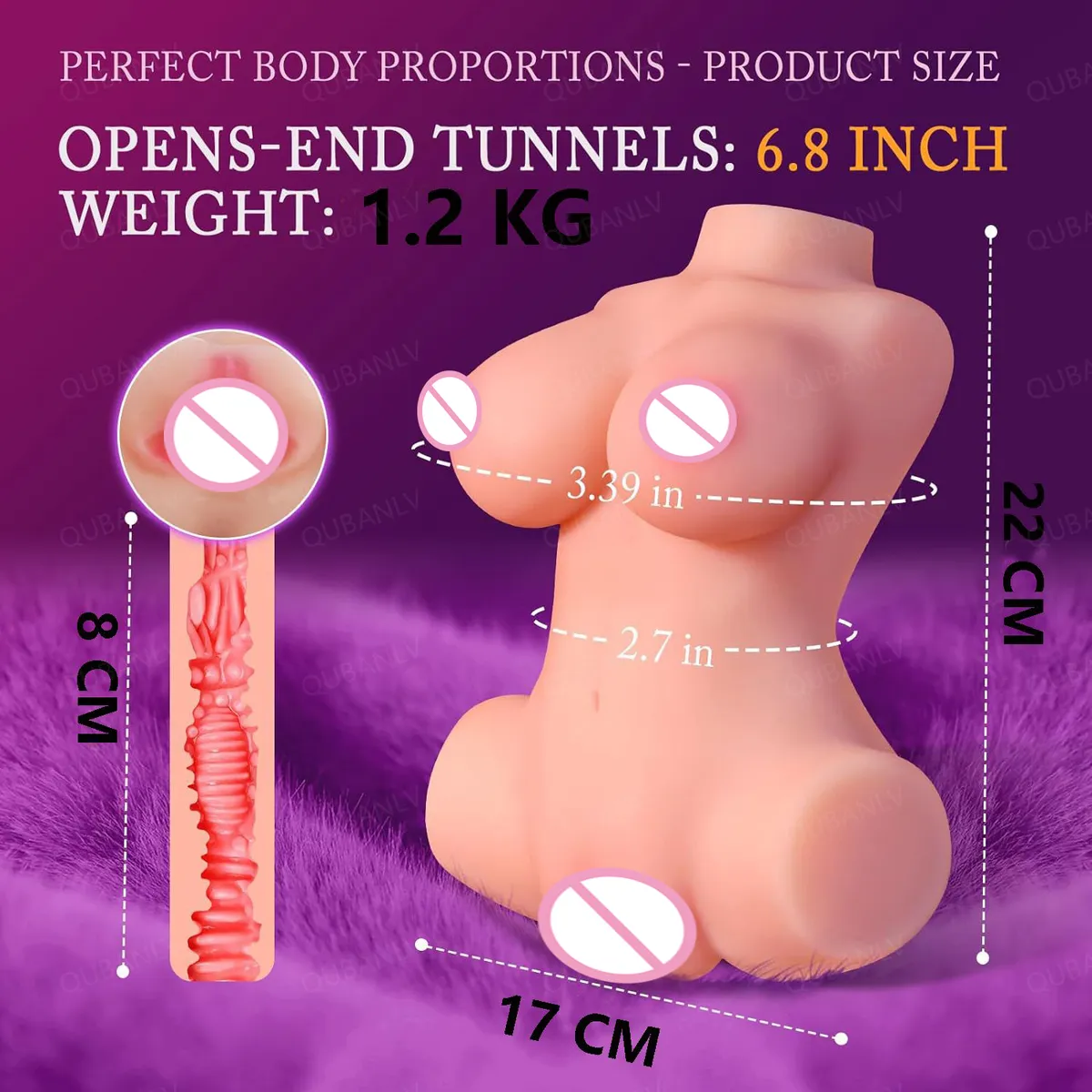

Keep reading