Why TPE Is Porous — and Why That One Fact Explains Everything About Care
The softness people shop for is the exact same property that makes TPE porous. Softness and porosity aren't two traits to weigh against each other — they're the same trade-off. Once you understand that, every piece of care advice in this category stops feeling like a chore and starts making sense as one simple idea.
October 20, 2026 · 6 min read · 1131 words
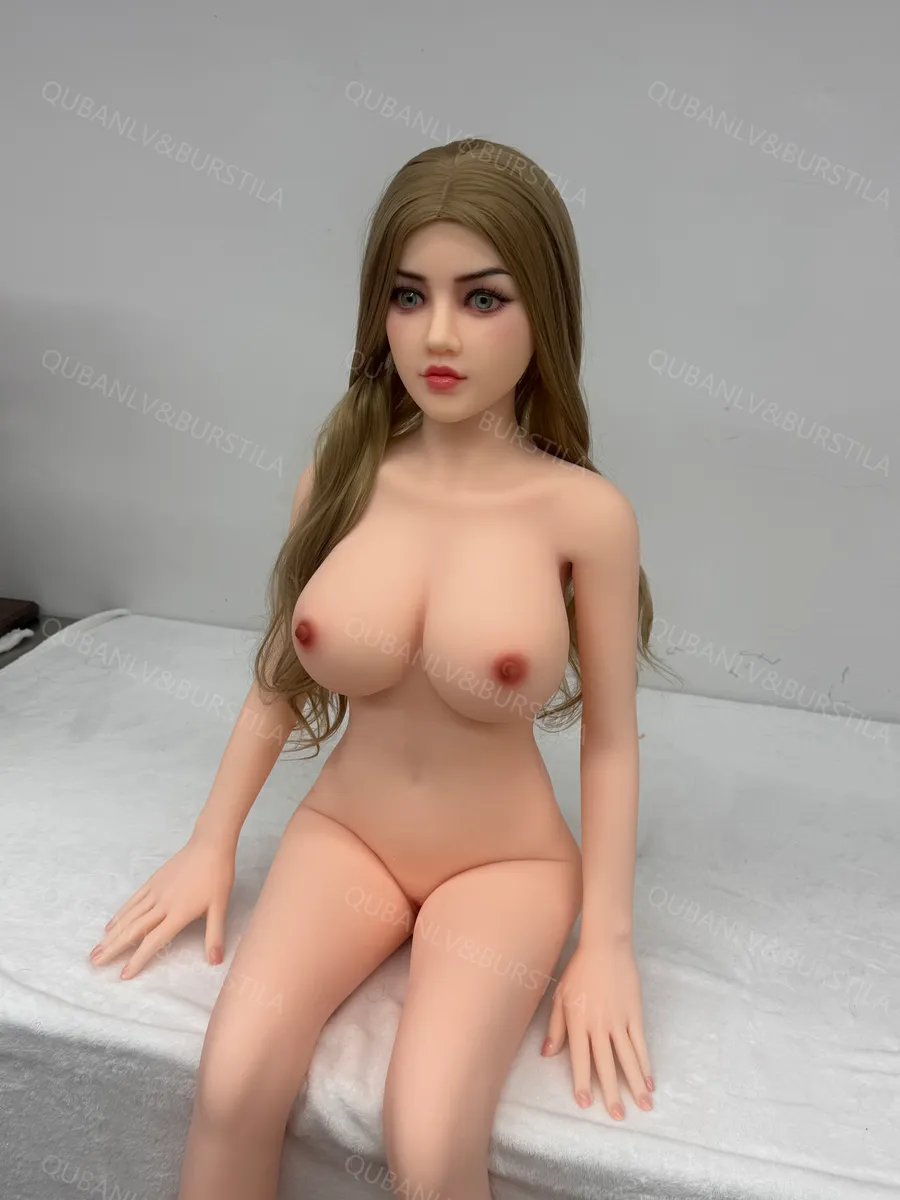
Here's a strange thing about the material most of our products are made from: the very quality people shop for — that soft, lifelike give — is the exact same property that makes the material porous. Softness and porosity aren't two separate characteristics you weigh against each other. They're the same trade-off, looked at from two directions. And once you understand that, nearly every piece of care advice in this category stops feeling like a list of chores and starts making sense as one simple idea.
That idea is this: TPE (thermoplastic elastomer) is an open, porous material, and that single fact is the root of almost everything else you'll ever read about caring for it. This article is about that fact — what it means, why it's true, and how it quietly shapes the right way to clean, dry, powder, and store these products.
What "porous" actually means
When a material is called porous, it means the surface — and some depth beneath it — is dotted with microscopic openings. Not holes you can see, but a fine network of tiny spaces. Think of a kitchen sponge or a piece of unfinished wood: solid enough to hold a shape, but open enough to absorb and hold moisture.
TPE is porous in this exact sense. Its surface is not a sealed, glassy skin like silicone or metal. Under magnification, it's a textured, open structure. That's not a defect, and it's not a sign of cheap material — it's an inherent property of the material class, present in every TPE product regardless of price. Even the most expensive TPE is porous, because porosity is part of what makes TPE behave like TPE.
The practical consequence is simple and important: TPE can absorb and retain small amounts of moisture and oil. It breathes, in a way. Silicone, by contrast, is a closed, non-porous material — which is one of the core differences we walked through in TPE vs. silicone.
Why softness and porosity are the same thing
This is the counterintuitive part, and it's worth sitting with for a second.
The softness of TPE comes from its internal structure. TPE is a blend — part elastic material, part mineral oil — and the oil is what gives it that yielding, skin-like feel. That same open, flexible structure that makes it soft is also what makes it porous. You can't have one without the other. A material that is soft and supple and slightly oily to the touch is, almost by definition, a material with microscopic openings in it.
So when someone says "this doll is softer, therefore better," they're only telling you half the story. A softer TPE is usually more porous, which means it asks for a little more care — more thorough drying, more consistent powdering, more careful storage. Softness isn't free. It's a real, physical trade-off, and honest sellers will tell you that upfront instead of letting you discover it months later.
None of this means soft TPE is bad. It means soft TPE is soft because it's porous, and you should care for it with that in mind.
What porosity means in practice
If you remember only one sentence from this article, make it this one: porous means moisture and oil move in and out of the material — and your entire care routine exists to manage that movement.
Here's how that one fact explains the four habits you'll see recommended everywhere.
Drying matters more than cleaning. Because TPE can hold moisture, the real risk after washing isn't what you cleaned off — it's the water left inside the surface. Trapped moisture in a porous material is where problems start. That's why the guidance in our cleaning guide always ends with "dry it completely" rather than "wash it well." Washing is easy. Drying is the part that actually protects the material.
Powdering isn't about fragrance. After drying, a light dusting of powder — cornstarch or a dedicated renewing powder — restores the soft, dry feel and keeps the surface from turning tacky, because the oil inside TPE slowly migrates to the surface over time. Powdering is porosity management, not perfume. It's the difference between a surface that feels fresh and one that feels sticky.
Oil migration is normal, not a defect. Remember that mineral oil we mentioned? It slowly works its way out of the material. That's why TPE can feel slightly oily after sitting untouched, and why it benefits from occasional re-oiling to stay supple. This is the material breathing, not a flaw.
Storage is about airflow, not hiding. A porous material should be stored where air can circulate and the surface can stay dry and clean. Dark, damp, sealed spots are exactly what a porous material doesn't want. Our storage guide goes into the specifics, but the principle is one line: keep it dry, keep it dust-free, let it breathe.
And because a porous, oil-rich surface is softer than a sealed one, small surface tears are a normal part of the material's life — and, thankfully, usually repairable when caught early. Porosity and softness are two faces of the same coin, and caring for one means caring for the other.
The honest bottom line
Here's the thing I hope stays with you: TPE is not a worse material because it's porous. It's a different material with a different contract. You get softness, realism, and a lower price — and in return, the material asks you to dry it, powder it, and store it with a little thought.
That's a fair trade, and one millions of people are perfectly happy with — as long as they know about it. The only unhappy customers are the ones who were promised a "maintenance-free" product and discovered otherwise. We'd rather you go in with your eyes open, knowing that the softness you want and the care it needs are the same thing.
The short version
- TPE is porous — its surface is an open, microscopic network that can absorb and hold moisture and oil. This is inherent to the material, not a sign of poor quality.
- Softness and porosity are the same trade-off. The soft, oil-blended structure that makes TPE feel lifelike is exactly what makes it porous.
- Drying is the most important step, because a porous material holds water after washing.
- Powdering manages oil migration, not fragrance — it keeps the surface dry and non-tacky.
- Oil slowly migrates out of TPE over time, which is normal and why occasional re-oiling helps.
- Store it dry and ventilated, not sealed in damp, dark spots.
- None of this makes TPE "bad." It makes TPE a material with a specific, manageable care contract — softness in exchange for a little routine attention.
Keep reading